
Bucca Lift Sculpt: Redefining Facial Contour through Advanced Buccal Massage, Manual Lymphatic Drainage, and Deep Myofascial Release
Some treatments change the way you look. Others change the way you feel in your own skin. BuccaLift Sculpt does both — and it starts where no other facial technique can reach.
What Is Buccal Massage?
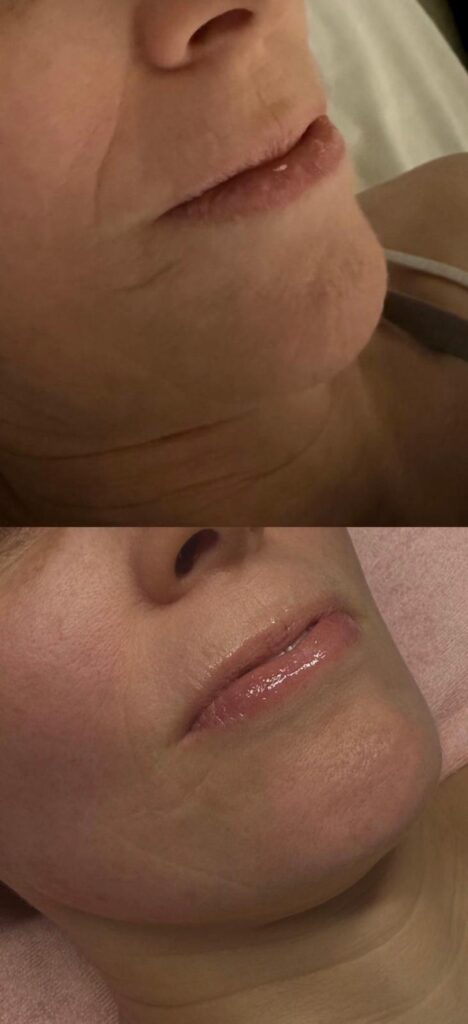
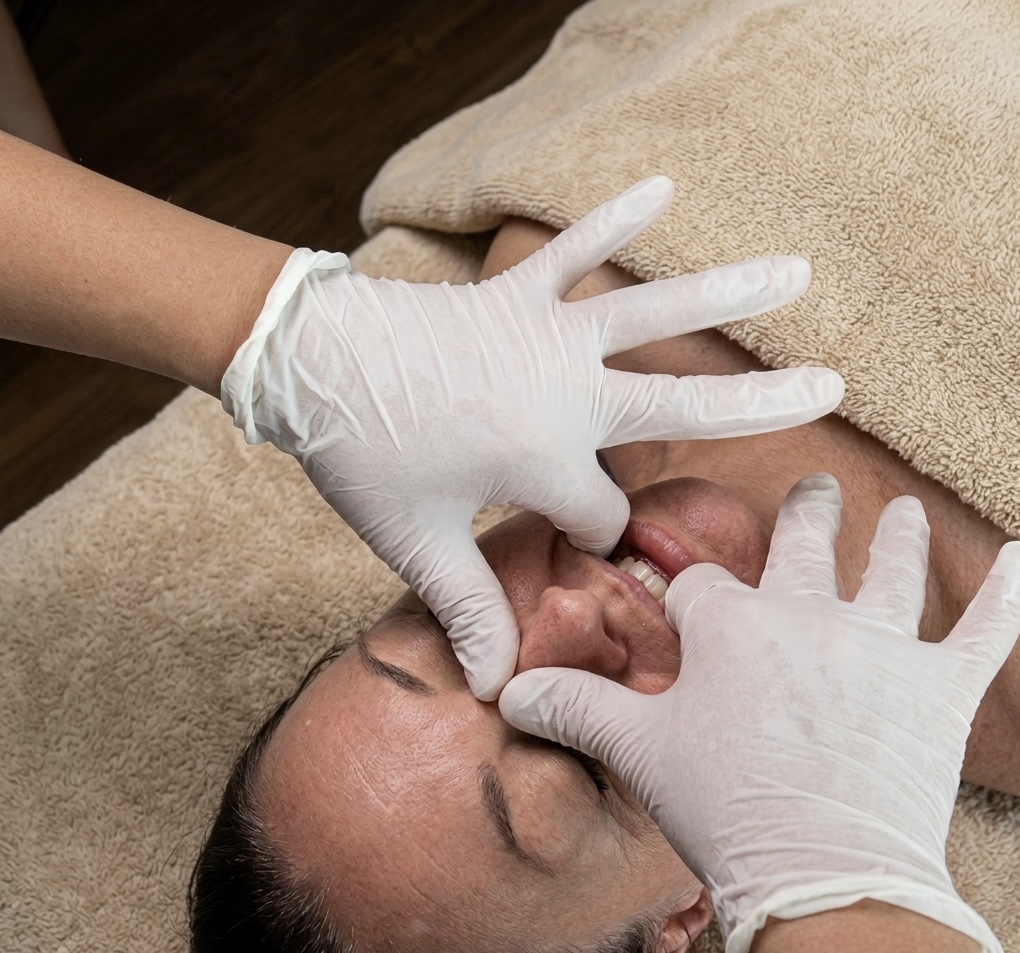
Buccal massage , also known as intraoral massage is an advanced manual therapy where a trained specialist works the facial muscles from inside the mouth, using gloved hands to access deep muscle layers that external massage simply cannot touch.
The word “buccal” comes from the Latin bucca, meaning “cheek.” During the treatment, the therapist works inside the buccal cavity (the space between the teeth and the inner lining of the cheeks) to massage and sculpt the face from within.
What makes this technique so different is its ability to access muscles that can’t be reached from the outside , particularly those responsible for jaw tightness, puffiness, and the gradual loss of facial symmetry and tone. By working from both inside and outside the cheek simultaneously, the treatment creates space in the tissue, increases blood flow, and triggers a deep relaxation response that goes far beyond a standard facial.
What Is the Lifting Massage Component?
The second layer of BuccaLift Sculpt is the Lifting Massage , an external sculpting technique that works on the surface structures of the face using precise upward strokes, pressure point release, and strategic drainage movements.
Unlike traditional massages that focus mainly on relaxation, a facial lifting massage employs targeted strokes and a strategic combination of upward pressure point techniques, aimed at sculpting, toning, and firming the appearance of the skin.
Together, these two methods create something neither can achieve alone: a full spectrum treatment that works every layer of the face from the deepest muscle belly to the outermost layer of skin.
Why Combine Both?
The Science Behind BuccaLift Sculpt
Your face holds more than 40 muscles. These muscles need movement and nourishment due to the unique way they attach directly to the skin — unlike body muscles, which attach to bone. When they tighten, they pull the skin downward. When they release, the face naturally lifts.
Buccal massage focuses on the buccinator, masseter, and zygomatic muscles, which play key roles in facial expression and structure. Its benefits stem from its effects on muscle tension release, increased blood circulation, lymphatic drainage, collagen stimulation, and emotional stress release.
Research supports each of these mechanisms:
Muscle Release: There is clinical research supporting intra-oral myofascial therapy as a relevant approach for temporomandibular disorder (TMD) outcomes such as pain and function measures. The same muscle groups responsible for jaw pain are the ones that, when chronically tight, alter the overall shape of the face.
Tissue Changes: A pilot study using CT-based analysis reported measurable short-term changes in cheek soft tissue position after facial massage providing early imaging evidence that manual work on the face creates real, observable shifts.
Circulation and Collagen: Massage techniques improve microcirculation, delivering oxygen and nutrients to skin tissues and promoting cellular regeneration. Manual stimulation of facial tissues has been shown to encourage fibroblast activity, leading to increased collagen production and improved skin elasticity.
Lymphatic Drainage: By releasing muscle tension and performing intraoral motions, space is created for toxins and stagnant fluids to flush outward and for oxygen and nutrients to circulate in.
Nervous System Response: This technique works with the vagus nerve and parasympathetic system to support relaxation, reduce stress levels, and leave you feeling mentally and physically lighter.
What Are the Benefits?
A naturally lifted face. Results are visible immediately — expect improved facial symmetry, a lifted appearance through the cheeks and jaw, and a softened, more open look across the face.
Jaw tension and TMJ relief. Many who grind or clench their teeth find immense relief from having the masseter and related muscles worked on — with reduced jaw pain, fewer clicking or locking episodes, and improved jaw mobility.
Reduction of puffiness. By combining intraoral and external drainage techniques, practitioners can redirect stagnant fluid and reduce facial swelling — particularly around the jawline, under the eyes, and the cheeks.
Defined contours without injectables. By working the facial muscles, the technique can significantly improve muscle tone and sharpen facial contours — with the intraoral component targeting deep muscles to provide an instant contour effect.
Better skincare absorption. When the skin is free from muscular blockages and inflammation, products penetrate more effectively — buccal massage clears the way for deeper absorption of active skincare ingredients.
Headache and stress relief. By relieving jaw tension, the treatment eases related symptoms such as headaches and facial pain, making it a helpful aid in managing TMJ disorders.
Who Is This Treatment For?
Bucca Lift Sculpt is ideal for anyone who:
- Carries tension in the jaw, cheeks, or temples
- Grinds or clenches their teeth
- Notices loss of definition in the jawline or midface
- Wants a natural alternative to Botox or fillers
- Deals with recurring headaches linked to facial tension
- Wants visible results with zero downtime
Clients who clench, grind, or carry stress in their jaws often experience significant relief following this kind of work. It’s especially supportive for those dealing with TMJ dysfunction, tension headaches, or sleep disruption caused by jaw tightness.
What to Expect During Your Session
Your BuccaLift Sculpt session begins with a brief consultation to understand your concerns and facial history. The treatment then moves through a warm-up phase of external drainage and lifting strokes before the intraoral work begins always with fresh gloves, in a calm, controlled environment.
A typical session includes an initial skin assessment, external facial massage to warm up the tissues, the intraoral work on the inner cheek and jaw muscles, and a closing phase with finishing products to nourish the skin.
Most clients describe the sensation as unusual at first and then deeply relieving. The combination of internal release and external sculpting creates a result you can see and feel before you even leave the treatment bed.
How Often Should You Come?
While the benefits are noticeable after just one session, regular treatments build long-term tone, resilience, and ease in the face. For clients with ongoing tension, a short series of weekly or fortnightly sessions is often recommended before transitioning to monthly maintenance.
Buccallift Sculpt because real lifting starts from within.